Unlocking Clarity: The Power of Clear Infographic Structures
In an age where information overload is the norm, the ability to communicate complex ideas clearly and effectively has never been more critical. Enter Clear Infographic Structures, a design approach that transforms data into digestible, visually engaging content. These structures are not just about aesthetics—they’re about clarity, coherence, and connection. By leveraging visual storytelling, they bridge the gap between abstract concepts and real-world understanding.
What Are Clear Infographic Structures?
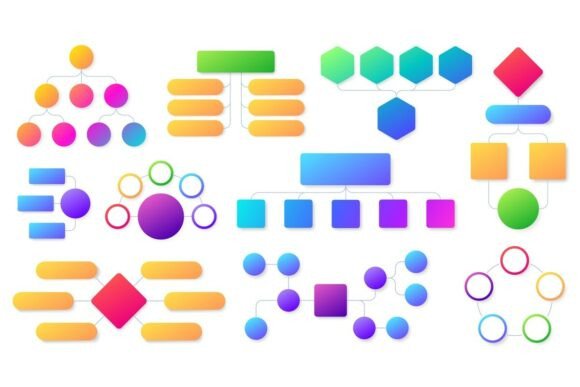
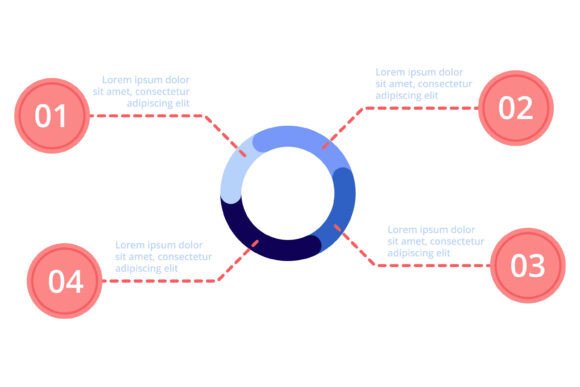
Clear Infographic Structures are meticulously designed layouts that present information in a way that is both visually appealing and easy to comprehend. They often take the form of circular flow diagrams, where key points are interconnected through lines, symbols, or other visual cues. This design choice ensures that each element is not only distinct but also part of a larger narrative.
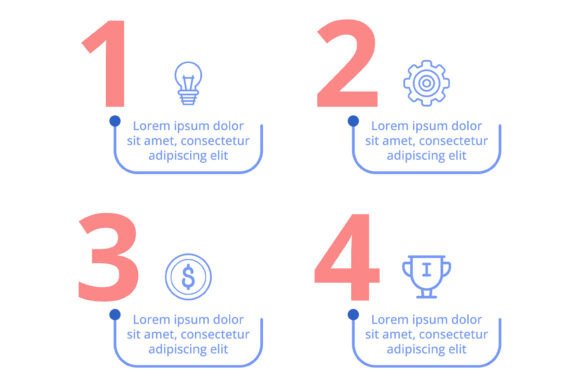
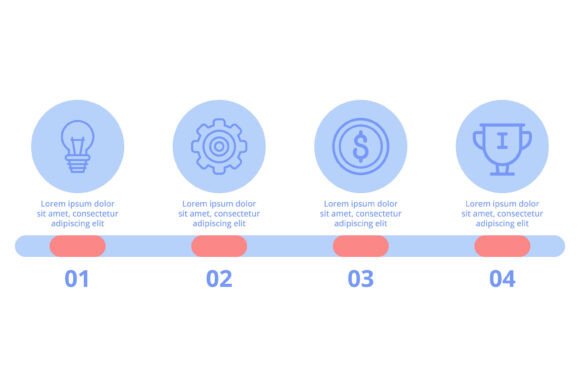
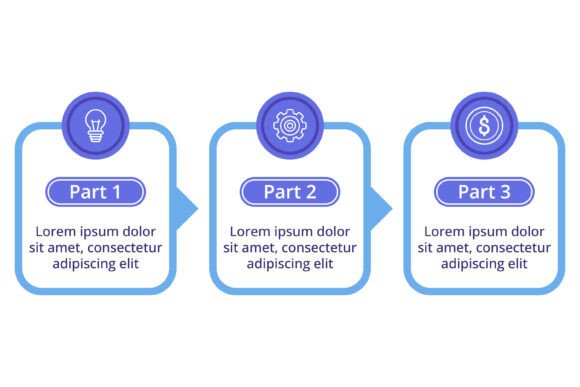
At the heart of these structures lies a focus on visual hierarchy. Each point is given a unique identifier—whether it’s a number, icon, or label—to draw attention and guide the viewer through the content. The use of dotted lines or arrows helps establish relationships between elements, reinforcing the idea of continuity and interdependence.
These structures are particularly effective when dealing with multifaceted topics such as business strategies, technological advancements, or lifestyle trends. By breaking down complex processes into manageable components, they allow viewers to grasp the big picture without getting lost in the details.
The Rise of Visual Communication in Modern Industries
As digital platforms continue to evolve, so too does the demand for visual content. From social media feeds to corporate presentations, the need for concise, impactful communication has never been greater. Clear Infographic Structures have emerged as a go-to solution for professionals across various industries, including marketing, education, technology, and entrepreneurship.
Consider the field of marketing, where brands must convey their value proposition quickly and effectively. A well-designed infographic can distill a company’s mission, target audience, and unique selling points into a single, shareable image. Similarly, in the tech sector, infographics are used to explain complex systems, user flows, and data models in a way that’s accessible to both experts and novices.
In the creative industry, designers and artists are increasingly using these structures to illustrate their thought processes, project timelines, and conceptual frameworks. For freelancers and entrepreneurs, the ability to present ideas clearly can mean the difference between securing a client and being overlooked.
Why People Are Paying Attention to Clear Infographic Structures
The growing popularity of Clear Infographic Structures can be attributed to several factors. First and foremost is the shift in consumer behavior. Today’s audiences are inundated with information, and they tend to favor content that is easy to consume and retain. Infographics meet this demand by offering a quick, visual summary of key points.
Another reason for their appeal is the rise of remote work and digital collaboration. With teams spread across different time zones and locations, the need for clear, visual documentation has never been higher. Infographics serve as a universal language, allowing team members to understand complex workflows, project milestones, and strategic goals at a glance.
Moreover, the increasing emphasis on data-driven decision-making has made visual representation of information more important than ever. Whether it’s analyzing market trends, tracking customer behavior, or evaluating performance metrics, Clear Infographic Structures provide a powerful tool for interpreting and communicating data.
Practical Applications and Real-World Examples
One of the most compelling aspects of Clear Infographic Structures is their versatility. They can be applied to a wide range of scenarios, from educational materials to business reports. For instance, a startup might use an infographic to outline its product development roadmap, highlighting key phases such as ideation, prototyping, testing, and launch.
Similarly, a nonprofit organization could use an infographic to illustrate the impact of its programs. By visually representing statistics, success stories, and future goals, the organization can engage donors and stakeholders more effectively. In the healthcare sector, infographics are used to explain medical procedures, treatment options, and patient care protocols in a way that’s easy to understand.
Even in everyday life, Clear Infographic Structures play a role. Consider a fitness app that uses a circular diagram to show a user’s progress over time. The visual representation of goals, achievements, and challenges makes it easier for users to stay motivated and track their journey.
Connecting to Broader Trends and Developments
The adoption of Clear Infographic Structures aligns with broader trends in design, technology, and communication. As artificial intelligence and machine learning become more integrated into daily workflows, the need for human-centric design solutions is becoming more pronounced. Infographics serve as a bridge between algorithmic data and human interpretation, making them an essential tool in the digital age.
Additionally, the trend toward minimalism and simplicity in design has further fueled the popularity of these structures. In a world where clutter is often seen as a barrier to clarity, Clear Infographic Structures offer a refreshing alternative. They prioritize function over form, ensuring that every visual element serves a purpose.
Looking ahead, the future of Clear Infographic Structures appears bright. As more industries recognize the value of visual storytelling, we can expect to see even more innovative applications of this design approach. From interactive web experiences to augmented reality interfaces, the possibilities are endless.
Conclusion: Embracing the Power of Visual Clarity
In a fast-paced, information-rich world, Clear Infographic Structures offer a powerful solution for conveying complex ideas with clarity and precision. By combining visual design with strategic messaging, they help professionals, creators, and entrepreneurs communicate more effectively and connect with their audiences on a deeper level.
Whether you're presenting a business strategy, explaining a technical process, or sharing a creative concept, these structures provide a valuable tool for transforming information into insight. As the demand for visual communication continues to grow, mastering the art of Clear Infographic Structures will become an essential skill for anyone looking to thrive in the modern landscape.