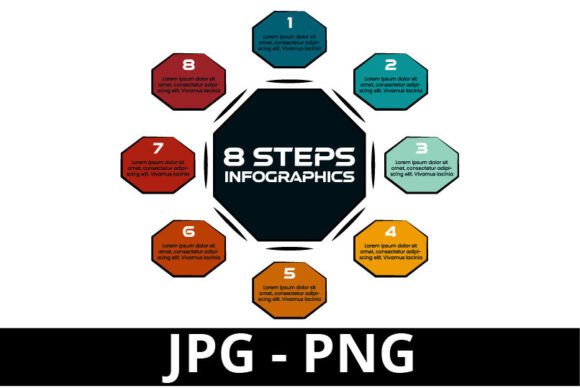
Octagon Flow Chart 8 Steps Infographic
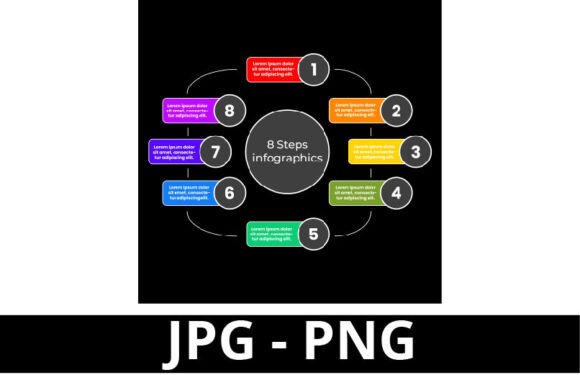
The Octagon Flow Chart 8 Steps Infographic is a dynamic visual tool that simplifies complex processes into a clear, step-by-step format. Designed with an octagonal layout, it offers a balanced and structured approach to presenting workflows, strategies, and decision-making paths. This infographic template is ideal for professionals who need to communicate intricate ideas in a visually appealing and easy-to-follow manner.
Visually, the Octagon Flow Chart features a modern design with color gradients, clean lines, and a radial layout that draws the eye around the eight steps. The octagonal shape adds a unique geometric appeal, making it stand out from traditional circular or linear flow charts. Its multicolor template allows for customization while maintaining a professional aesthetic, perfect for business presentations, marketing plans, and strategic planning sessions.
This infographic is more than just a diagram—it's a versatile tool that can be adapted to various industries and purposes. Whether you're mapping out a product lifecycle, outlining a development cycle, or creating a step-by-step guide for training materials, the Octagon Flow Chart provides a structured yet flexible framework for visual storytelling.
Where the Octagon Flow Chart Shines
The Octagon Flow Chart 8 Steps Infographic is particularly effective in creative and corporate environments where clarity and visual impact are essential. It works well in branding projects, editorial design, and packaging design, offering a fresh alternative to conventional layouts. For digital marketers, this infographic can serve as a powerful tool for illustrating campaign strategies, customer journey maps, or sales funnels.
In print and digital media, the Octagon Flow Chart enhances readability and engagement. Its clean layout and strategic use of white space make it suitable for both personal and commercial projects. Whether you're designing a presentation slide for a board meeting or creating social media graphics for a marketing campaign, this template offers a professional look that aligns with modern design trends.
For educators and instructional designers, the Octagon Flow Chart is a valuable resource for breaking down complex concepts into digestible steps. It can be used in learning diagrams, training materials, and educational templates to help students or employees grasp new information more effectively.
How the Design Influences Perception and Engagement
The visual characteristics of the Octagon Flow Chart play a significant role in how audiences perceive and interact with the content. The use of color gradients and a radial layout creates a sense of movement and balance, guiding the viewer through each step of the process. This not only improves readability but also reinforces the idea of a structured, logical workflow.
Typography choices within the infographic contribute to its overall appeal. A well-chosen font can enhance the professionalism of the design, making it more credible and trustworthy. For instance, a modern sans-serif font paired with a bold heading can create a strong visual hierarchy, ensuring that key information stands out without overwhelming the viewer.
When used in brand identity projects, the Octagon Flow Chart helps reinforce a company’s visual language. Consistency in design elements such as color schemes, typography, and layout strengthens brand recognition and builds trust with the audience. This makes it a valuable asset for businesses looking to maintain a cohesive and professional image across all communication channels.
Choosing the Right Font for Your Project
Selecting the right font for your Octagon Flow Chart 8 Steps Infographic is crucial for achieving the desired tone and message. Consider the nature of your project—whether it's a formal business presentation or a creative marketing piece—and choose a font that aligns with the overall style and purpose.
If you're aiming for a modern and minimalist look, a clean sans-serif font like Helvetica or Roboto might be ideal. These fonts offer excellent readability and work well in both digital and print formats. On the other hand, if you want to add a touch of elegance or creativity, a script font could be a good choice for headings or key points.
Font pairing is another important consideration. A combination of a bold display font for titles and a simple sans-serif for body text can create a balanced and professional appearance. Always test different pairings to ensure they complement each other and maintain readability at various sizes.
Before finalizing your design, review the included font styles and assess their suitability for your specific needs. Pay attention to how the fonts perform in different contexts, such as on web pages, social media posts, or printed materials. A font that looks great on a screen may not translate well to print, so it's important to test it in real-world scenarios.
Practical Tips for Using the Octagon Flow Chart
When incorporating the Octagon Flow Chart 8 Steps Infographic into your workflow, start by identifying the key steps you want to highlight. Each segment of the octagon should represent a distinct phase or action, ensuring that the flow is logical and easy to follow. Use icons or simple illustrations to reinforce the meaning of each step, making the infographic more engaging and informative.
Customization is one of the strengths of this template. You can adjust the color scheme, add your brand’s logo, or modify the layout to suit your specific needs. This flexibility makes it a valuable resource for designers, marketers, and business professionals who want to create a unique and personalized visual guide.
Remember to keep the design uncluttered and focused. Avoid overcrowding the octagon with too much text or unnecessary elements. Instead, use concise language and visual cues to convey your message clearly. A well-designed Octagon Flow Chart not only looks professional but also enhances the effectiveness of your communication.
Finally, consider the licensing and usage rights of the font and design elements included in the template. Ensure that you have the proper permissions for commercial or public use, especially if you're creating content for clients or large-scale projects. This will help you avoid any legal issues and ensure that your design remains compliant and professional.