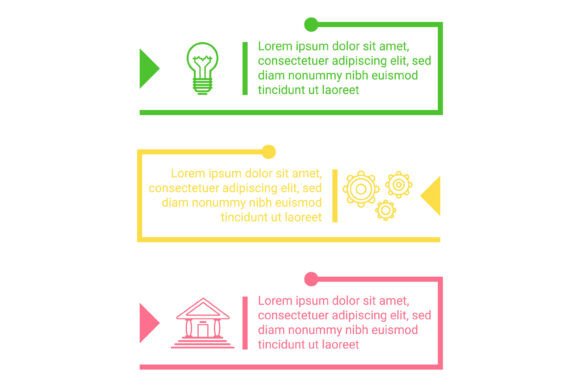
Concepts and Elements Infographic: A Strategic Tool for Clarity and Impact
The Concepts and Elements Infographic is more than a visual aid; it's a structured approach to understanding complex ideas through minimalist design. By breaking down abstract concepts into tangible elements, this infographic offers a clear, actionable framework for decision-making and communication. Whether you're planning a project, refining a brand strategy, or simplifying a process, the infographic serves as a guide that aligns thought with action.
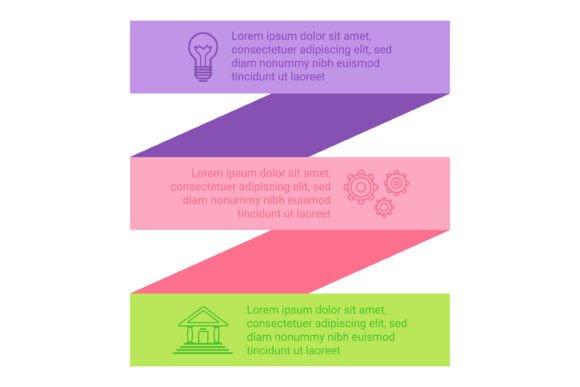
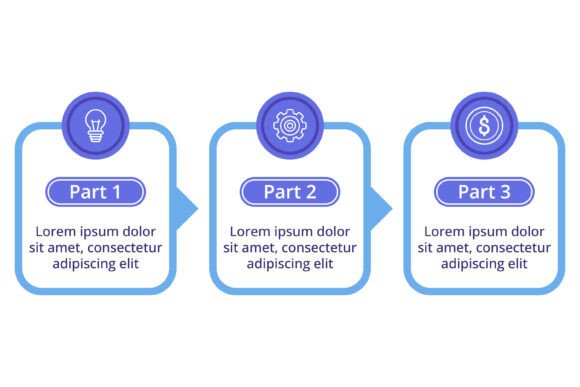
At its core, the infographic combines three essential sections—idea, process, and location—each designed to represent different aspects of a concept. These sections work together to create a narrative that is both informative and engaging. The minimalist graphics ensure that the message remains focused, while the thoughtful composition allows for easy interpretation across various contexts.
This tool is particularly useful for professionals who need to convey information efficiently. Entrepreneurs can use it to outline business models, marketers can map out customer journeys, and educators can simplify complex subjects. Its adaptability makes it a valuable asset in almost any field where clarity and precision are critical.
Why the Concepts and Elements Infographic Matters
In today’s fast-paced environment, the ability to communicate effectively is a competitive advantage. The Concepts and Elements Infographic helps bridge the gap between abstract thinking and practical execution. It transforms vague notions into structured insights, enabling better planning and more informed decisions.
For instance, when developing a new product, the infographic can help visualize the idea, outline the development process, and identify key locations or touchpoints. This not only streamlines the workflow but also ensures that all stakeholders have a shared understanding of the project’s direction.
Moreover, the infographic supports long-term strategic goals by providing a consistent reference point. It helps maintain focus on objectives, track progress, and adjust course when necessary. This level of organization is especially beneficial for teams working on multi-phase projects or those aiming to improve operational efficiency.
Strategic Use Cases for the Concepts and Elements Infographic
The versatility of the Concepts and Elements Infographic means it can be applied in a variety of scenarios. Here are some practical examples of how it can be used:
- Goal Setting: Break down long-term objectives into manageable steps, ensuring that each stage is clearly defined and achievable.
- Brand Positioning: Visualize the core values of a brand and how they translate into customer experiences, messaging, and market presence.
- Project Planning: Map out the timeline, resources, and key milestones to keep everyone aligned and on track.
- Customer Journey Mapping: Identify touchpoints, pain points, and opportunities for engagement to enhance the overall experience.
- Learning and Development: Simplify complex topics by organizing them into digestible components, making it easier for learners to absorb and retain information.
Each of these applications highlights the infographic’s ability to turn abstract concepts into concrete actions. By using it strategically, individuals and organizations can achieve greater clarity, consistency, and impact in their work.
When to Use the Concepts and Elements Infographic
The right time to use the Concepts and Elements Infographic depends on the specific needs of the situation. It is most effective when:
- You Need to Clarify a Complex Idea: When dealing with abstract or multifaceted concepts, the infographic provides a structured way to break them down.
- You’re Facing Decision-Making Challenges: By visualizing options and outcomes, the infographic helps reduce uncertainty and guide choices.
- You Want to Improve Communication: Sharing a visual representation of a concept can make it easier for others to understand and engage with your ideas.
- You’re Looking to Optimize Processes: Identifying inefficiencies and mapping out streamlined workflows can lead to significant improvements in productivity.
- You’re Planning for the Future: Using the infographic to outline potential scenarios and strategies can help prepare for different outcomes and challenges.
Understanding when to apply the infographic ensures that it becomes a tool that adds value rather than complicates the process. It should be used as part of a broader strategy, not as a standalone solution.
How to Approach the Concepts and Elements Infographic
Using the Concepts and Elements Infographic effectively requires a thoughtful approach. Start by defining the purpose of the infographic and identifying the key concepts you want to convey. Ask yourself: What do I want to communicate? Who is my audience? What outcome am I hoping to achieve?
Once the goal is clear, consider how to structure the information. The idea section should capture the essence of the concept, the process section should outline the steps or logic, and the location section should highlight where or how the concept applies. Each element should be simple enough to be understood at a glance but detailed enough to provide meaningful insight.
It’s also important to consider the context in which the infographic will be used. Will it be shared digitally, printed, or presented in person? The format may influence the design and level of detail required. Additionally, think about how the infographic fits into larger strategies or initiatives. Is it part of a marketing campaign, a training program, or a business plan?
Finally, test the infographic with a small group of people to ensure it communicates the intended message. Gather feedback and refine it as needed. This iterative process helps ensure that the final version is both effective and impactful.
Risks of Using the Concepts and Elements Infographic Without Clarity
While the Concepts and Elements Infographic is a powerful tool, it can also be misused if not approached with intention. One of the main risks is creating an infographic that lacks clear goals or context. Without a defined purpose, the visuals may become confusing or irrelevant, leading to wasted time and effort.
Another risk is overcomplicating the design. The minimalist approach is one of the infographic’s strengths, but adding too many elements or details can dilute the message. It’s important to strike a balance between simplicity and completeness, ensuring that each component serves a specific function.
Additionally, relying solely on the infographic without supporting information can lead to misunderstandings. While visuals are powerful, they should be accompanied by explanations or context to ensure full comprehension. This is especially important when presenting to audiences unfamiliar with the subject matter.
To avoid these pitfalls, always start with a clear objective, define the scope, and ensure that the infographic aligns with broader goals. This intentional approach maximizes the infographic’s effectiveness and minimizes the risk of misuse.
Intentional Use of the Concepts and Elements Infographic
Intentional use of the Concepts and Elements Infographic means approaching it with a purpose-driven mindset. Rather than using it randomly or as a decorative element, integrate it into your workflow in a way that supports your goals. This could involve using it as a planning tool, a communication aid, or a reference for ongoing projects.
One way to ensure intentional use is to align the infographic with specific outcomes. For example, if the goal is to improve team collaboration, the infographic can be used to outline roles, responsibilities, and communication channels. If the aim is to enhance customer satisfaction, it can help identify key touchpoints and areas for improvement.
Another strategy is to use the infographic as a foundation for further discussion. It can serve as a starting point for brainstorming sessions, strategy meetings, or problem-solving exercises. By using it as a visual anchor, teams can stay focused and make more informed decisions.
Ultimately, the true value of the Concepts and Elements Infographic lies in its ability to transform abstract ideas into actionable insights. When used intentionally, it becomes a powerful ally in achieving better results, fostering clarity, and driving progress.