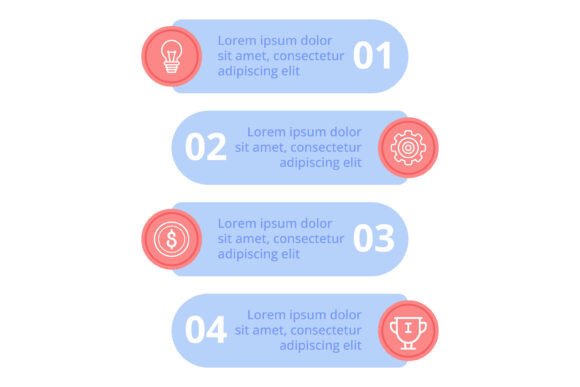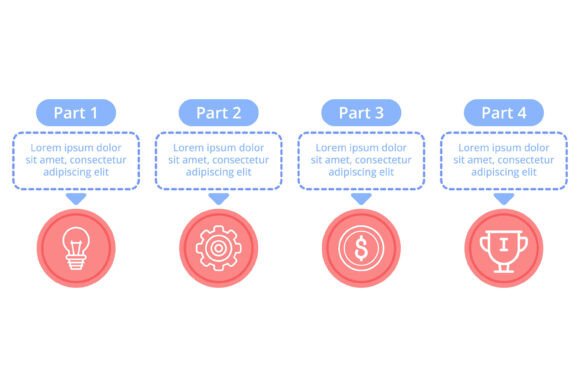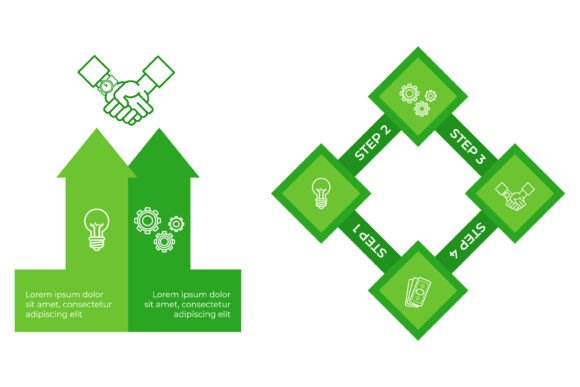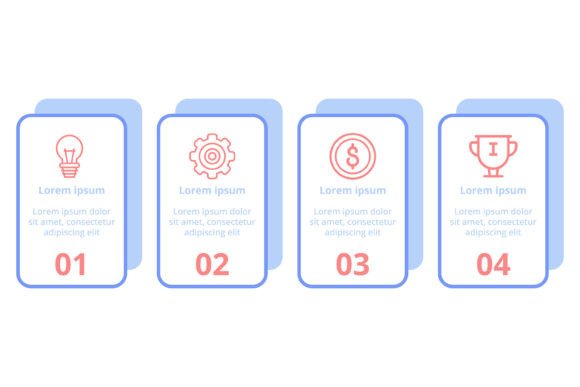
Step-by-step Infographic Guide
A step-by-step infographic guide is a powerful tool that transforms complex information into digestible, visual content. It provides a clear pathway through intricate processes, making it easier for audiences to understand and retain key points. Whether you're explaining a workflow, outlining a project plan, or breaking down a technical process, an infographic can make the difference between confusion and clarity.
What sets a step-by-step infographic apart is its ability to combine structure with creativity. By using color-coded sections, diagrams, and icons, these visuals not only capture attention but also reinforce understanding. The design elements work together to create a cohesive narrative that guides the viewer from one point to the next, ensuring that even the most abstract concepts become tangible.
Why Step-by-step Infographic Guide Matters
For professionals in fields like marketing, education, and design, the step-by-step infographic guide is more than just a visual aid—it's a strategic communication tool. It helps simplify data, streamline processes, and enhance engagement. When information is presented visually, it becomes more accessible, especially for those who may struggle with traditional text-based formats.
Consider how a business might use an infographic to explain a new product launch. Instead of writing a lengthy report, they can break the process into steps, each illustrated with relevant images and concise explanations. This approach not only saves time but also increases the likelihood that the audience will remember the key details.
Creative Possibilities and Applications
The versatility of a step-by-step infographic guide makes it suitable for a wide range of applications. From educational materials to internal team workflows, there are countless ways to apply this format. For instance, educators can use infographics to teach complex scientific concepts, while entrepreneurs can outline their business strategies in a way that's easy to share and discuss.
One creative approach is to incorporate interactive elements into the infographic. While traditional static designs are effective, adding clickable areas or animated transitions can make the experience more engaging. This is especially useful for digital platforms where users expect dynamic content.
Another idea is to adapt the infographic for different mediums. A print version might focus on bold visuals and minimal text, while a digital version could include hyperlinks or embedded videos. The key is to maintain consistency in messaging while tailoring the design to suit the platform and audience.
Adapting for Different Goals and Audiences
Understanding your audience is essential when creating a step-by-step infographic guide. A guide intended for a professional audience might require a more formal tone and detailed explanations, while a guide aimed at students or hobbyists could benefit from a more playful and engaging style.
For example, a marketing team might use an infographic to showcase a customer journey, highlighting key touchpoints and conversion points. On the other hand, a designer might create an infographic to demonstrate a creative process, using visual metaphors to represent stages like ideation, prototyping, and refinement.
When adapting the infographic for different goals, consider the purpose of the content. Is it meant to inform, persuade, or entertain? Each objective will influence the choice of visuals, layout, and messaging. A well-crafted infographic should align with the overall goal, ensuring that every element serves a clear purpose.
Practical Tips for Effective Design
Creating a successful step-by-step infographic guide requires careful planning and attention to detail. Start by defining the core message and identifying the key steps that need to be communicated. Once the structure is in place, choose a visual style that reflects the tone and purpose of the content.
Consistency is crucial. Use a unified color scheme, typography, and icon set throughout the design to maintain a professional look. Avoid overcrowding the infographic with too much information—each step should be clearly defined and easy to follow.
Testing the infographic with a small group of users can provide valuable feedback. Ask them to walk through the steps and note any areas of confusion. This iterative process ensures that the final product is both informative and user-friendly.
Realistic Examples and Inspiration
Looking at real-world examples can help illustrate the potential of a step-by-step infographic guide. For instance, a travel blog might use an infographic to outline a 7-day itinerary, complete with maps, photos, and local tips. This not only enhances the reader's experience but also encourages engagement and sharing.
Another example is a fitness app that uses an infographic to explain a workout routine. By breaking the exercise into simple steps with visual cues, users can follow along more easily, leading to better results and increased satisfaction.
For businesses, a step-by-step infographic guide can be used to explain company values, internal processes, or customer support procedures. These visuals help build trust and transparency, making it easier for stakeholders to understand and connect with the brand.
Conclusion: Making the Most of Your Infographic
A step-by-step infographic guide is a valuable resource that can enhance communication, improve understanding, and boost engagement. By combining clarity with creativity, it offers a unique way to present information that resonates with diverse audiences.
Whether you're a marketer, educator, or entrepreneur, investing time in crafting a well-designed infographic can yield significant benefits. Focus on the needs of your audience, experiment with different styles, and always aim for simplicity and effectiveness. With the right approach, your infographic can become a powerful tool for storytelling and knowledge sharing.