Master Your Message with a Step-by-Step Infographic
In today's fast-paced digital world, capturing attention and conveying complex information clearly is more important than ever. A step-by-step infographic serves as a powerful tool to simplify intricate processes, making them easy to understand and visually engaging. By breaking down information into digestible parts, this format allows your audience to follow along seamlessly, ensuring that your message resonates effectively.
Whether you're explaining a new product feature, outlining a business process, or guiding users through a service, a well-designed step-by-step infographic can transform how your audience interacts with your content. It’s not just about aesthetics—it’s about clarity, structure, and communication. With the right approach, you can elevate your visual storytelling game and deliver a compelling narrative that aligns with your goals.
Understanding the Challenges of Complex Information
Many professionals and businesses face challenges when trying to communicate detailed information. Text-heavy documents can be overwhelming, while verbal explanations may lack the visual reinforcement needed for full comprehension. This is where a step-by-step infographic becomes invaluable.
Without clear visuals, audiences might struggle to grasp the key points, leading to confusion or disengagement. Additionally, different users have varying preferences for how they receive information—some prefer reading, others need visual cues, and some benefit from interactive elements. A well-structured infographic addresses these differences by offering a balanced mix of text, symbols, and color to guide the viewer through each stage of the process.
How a Step-by-Step Infographic Can Help
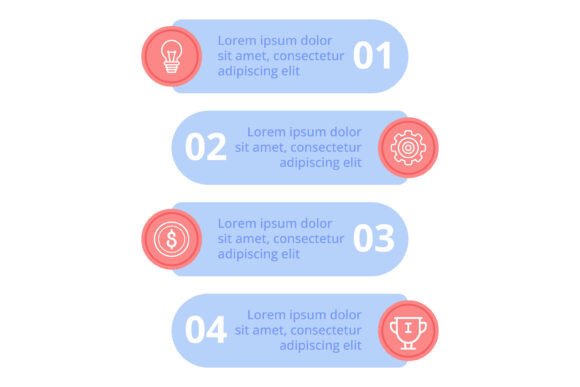
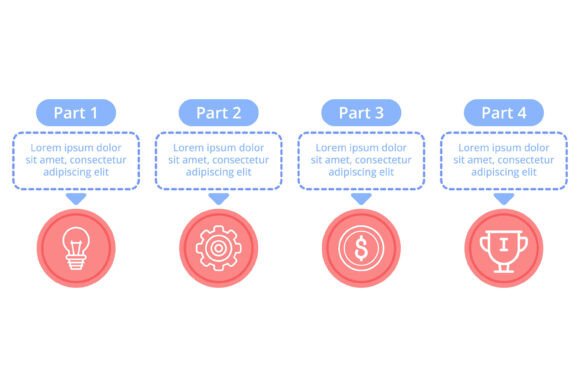
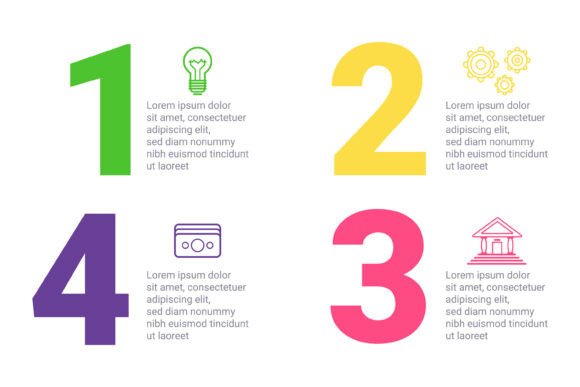
A step-by-step infographic provides a structured layout that makes even the most complicated topics easier to digest. It organizes information into four distinct sections, each designed to highlight a specific phase of the process. These sections are enhanced with appealing color schemes, easily identifiable symbols, and succinct explanatory text, creating a cohesive and intuitive experience for the viewer.
By using consistent design elements, the infographic ensures that each step flows naturally into the next, reducing cognitive load and increasing retention. This method not only improves understanding but also enhances the overall user experience, making it an essential tool for educators, marketers, and business professionals alike.
Practical Applications and Outcomes
The versatility of a step-by-step infographic makes it applicable across various industries and scenarios. For instance, in education, it can help students grasp difficult concepts by presenting them in a visual format. In marketing, it can guide potential customers through the sales funnel, highlighting key touchpoints and benefits at each stage.
Consider a company launching a new software product. Instead of writing a lengthy manual, they could create an infographic that walks users through the setup process, from downloading the app to configuring settings. This not only saves time but also reduces the likelihood of user errors. Similarly, a healthcare provider might use an infographic to explain a medical procedure, ensuring patients understand what to expect before, during, and after treatment.
Examples and Recommendations
One effective example is the use of infographics in onboarding processes. Companies like Slack and Trello utilize step-by-step visuals to help new users navigate their platforms. These infographics often include icons representing each step, such as "Sign Up," "Explore Features," and "Customize Settings," paired with brief descriptions that reinforce the action required.
When designing your own step-by-step infographic, consider the following recommendations: start with a clear objective, identify your target audience, and choose a layout that matches the complexity of the information. Use color strategically to highlight important steps, and ensure that each section is self-contained yet connected to the next. Avoid clutter by keeping text concise and focusing on the most critical details.
Adapting to Different User Needs
Not all users will interact with a step-by-step infographic in the same way. Some may prefer a linear approach, moving from one step to the next in sequence, while others may jump to specific sections based on their needs. A well-designed infographic should accommodate both scenarios by maintaining a logical flow and providing clear navigation cues.
For instance, a user looking for a quick reference might focus on the final steps, while someone new to the topic may benefit from starting at the beginning. By incorporating visual markers such as arrows, numbers, or progress indicators, you can guide users through the process without overwhelming them. This flexibility ensures that your infographic remains useful across a wide range of applications and audiences.
Conclusion: Elevate Your Visual Storytelling
A step-by-step infographic is more than just a visual aid—it’s a strategic tool for communicating complex ideas with clarity and impact. By organizing information into structured sections, using appealing design elements, and focusing on user needs, you can create a resource that not only informs but also engages your audience.
Whether you’re aiming to improve customer understanding, streamline internal processes, or enhance educational materials, a well-crafted infographic can make a significant difference. As you explore ways to incorporate this format into your workflow, remember that the goal is to provide value, simplify complexity, and deliver a message that resonates. With the right approach, a step-by-step infographic can become a cornerstone of your visual storytelling strategy.