Infographic of 3 Key Points
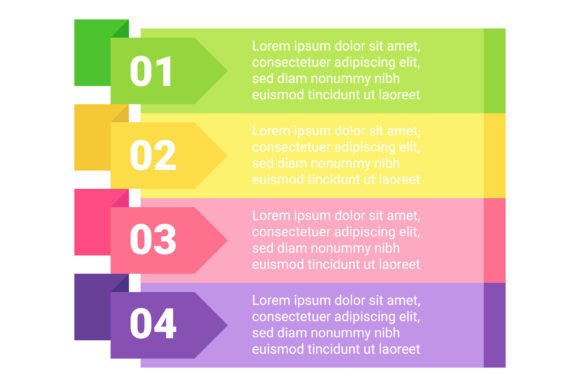
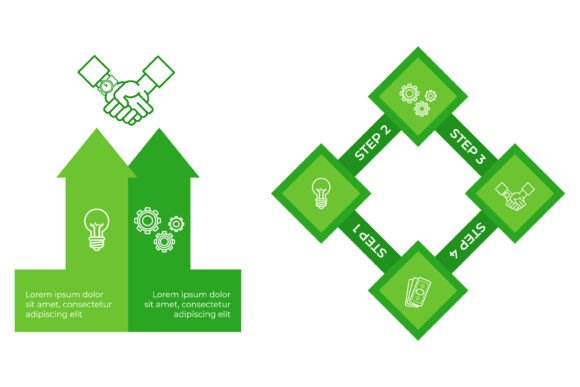
The Infographic of 3 Key Points is a powerful visual tool that distills complex ideas into clear, digestible segments. Designed for quick comprehension, it uses icons, text boxes, and structured layouts to highlight the most important aspects of any topic. This format is ideal for communicating messages effectively across different platforms and audiences.
What makes this infographic particularly useful is its ability to simplify information without sacrificing depth. Whether you're presenting data, explaining a process, or sharing insights, the three-point structure ensures clarity and focus. It’s a go-to solution for anyone looking to convey key messages in an engaging and organized way.
Why the Infographic of 3 Key Points Works
The success of the Infographic of 3 Key Points lies in its balance between simplicity and impact. By focusing on three core ideas, it avoids overwhelming the viewer with too much information. Instead, it guides the audience through a logical flow, making it easier to retain and act on the content.
This format is especially effective when used in marketing, education, and communication. For example, a business might use it to outline the benefits of a product, while an educator could use it to summarize a lesson. The visual elements—like icons and color coding—enhance understanding and make the content more memorable.
Creative Possibilities and Applications
The Infographic of 3 Key Points offers endless creative possibilities. Designers can experiment with different styles, from minimalist to bold and colorful, depending on the message and audience. For instance, a tech startup might use a sleek, modern design to reflect innovation, while a nonprofit organization could opt for a warm, approachable look to build trust.
One practical application is in social media content. A short, visually appealing infographic can capture attention and encourage engagement. Marketers can use it to highlight campaign goals, customer testimonials, or product features. Bloggers and educators can integrate it into articles or presentations to break up dense text and reinforce key points.
Another idea is to adapt the infographic for different formats. A printed version could be used in brochures or posters, while a digital version might be embedded in emails or websites. Each variation maintains the core message but adjusts the presentation to suit the medium.
Adapting for Different Goals and Audiences
Understanding your audience is crucial when using the Infographic of 3 Key Points. For a professional setting, the tone and style should be formal and data-driven. In contrast, a casual or creative audience might respond better to a more playful and expressive design.
Consider the platform as well. On LinkedIn, a clean and professional infographic may resonate more with professionals, while Instagram or Pinterest could benefit from a more artistic and eye-catching layout. Tailoring the design to the platform increases the likelihood of engagement and shares.
For educational purposes, the infographic can be used to explain concepts in a way that’s easy to grasp. Teachers might use it to introduce new topics, while students can use it to review material. In a workshop or seminar, it serves as a visual aid that reinforces key takeaways.
Practical Tips for Effective Use
To get the most out of the Infographic of 3 Key Points, start by identifying the three most important ideas you want to communicate. Avoid trying to include too much information—stick to what truly matters. Clarity should always come first.
Use consistent visual elements throughout the infographic to maintain a cohesive look. This includes fonts, colors, and icon styles. Consistency helps the audience navigate the content more easily and reinforces brand identity.
Test your infographic with a small group before finalizing it. Ask for feedback on clarity, readability, and overall appeal. Adjust based on their input to ensure the final product meets your goals and resonates with your audience.
Real-World Examples and Inspiration
Many successful campaigns have used the Infographic of 3 Key Points to great effect. A fitness brand might create one highlighting the benefits of a new workout routine, while a sustainability initiative could use it to outline steps for reducing waste. These examples show how versatile and impactful the format can be.
For entrepreneurs, the infographic can serve as a tool for pitching ideas or explaining business models. It’s also useful for startups looking to communicate their mission and values clearly. In these cases, the infographic becomes a valuable asset in building credibility and attracting support.
Freelancers and creatives can use the format to showcase their skills or present project proposals. A designer might use it to outline the key features of a website redesign, while a writer could use it to summarize the main themes of a book or article.
Conclusion: Making the Most of the Infographic of 3 Key Points
The Infographic of 3 Key Points is more than just a visual aid—it's a strategic tool for communication. By focusing on clarity, creativity, and audience needs, it helps users convey messages effectively across different contexts. Whether you're a marketer, educator, or entrepreneur, this format offers a simple yet powerful way to share ideas and drive engagement.
With thoughtful design and purposeful content, the Infographic of 3 Key Points can become a valuable part of your creative toolkit. Use it to simplify complex ideas, highlight important messages, and connect with your audience in a meaningful way.