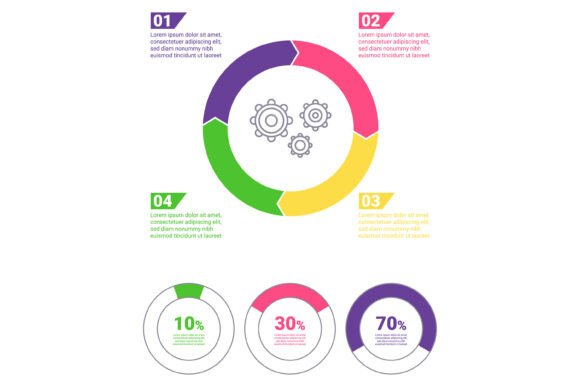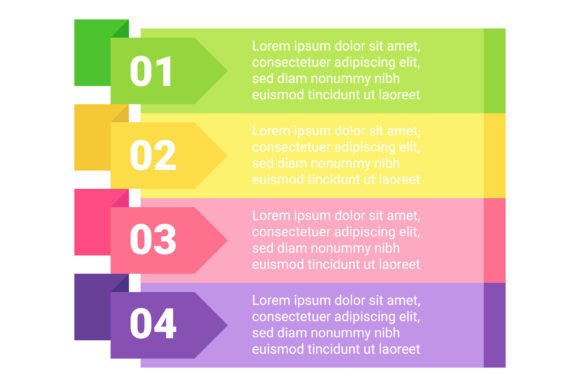
Infographic Showing Steps in Process
Infographics are powerful tools for simplifying complex ideas. An infographic showing steps in process is a visual guide that breaks down a sequence of actions into clear, digestible parts. This design uses color coding, numbering, and concise descriptions to make even the most intricate procedures easy to understand.
Whether you're explaining a business workflow, teaching a skill, or presenting a project plan, an infographic can help your audience follow along without confusion. It’s a versatile format that works across industries and applications.
Why Different Audiences Care About Process Infographics
What makes an infographic valuable depends on who is using it. For some, it's about clarity; for others, it's about efficiency or creativity. Let’s explore how different groups might approach and benefit from an infographic showing steps in process.
Beginners: Clarity and Guidance
If you're new to a topic, an infographic can be a lifeline. It offers a structured path through unfamiliar territory. For example, a beginner learning to code might use a step-by-step infographic to understand how to set up a development environment. The color-coded sections and numbered steps reduce the mental load, making the process feel less overwhelming.
Professionals: Efficiency and Consistency
Experienced users often value speed and accuracy. A process infographic helps them maintain consistency in their work. A marketing team, for instance, could use one to outline the stages of a campaign launch. By having a visual reference, they ensure everyone follows the same protocol, reducing errors and saving time.
Creators: Visual Inspiration and Storytelling
Content creators and designers might use infographics to tell a story visually. An artist creating a tutorial video could integrate a step-by-step infographic to highlight key moments in their process. This not only enhances the viewer's understanding but also adds a professional touch to their content.
Business Owners: Communication and Training
For small business owners, an infographic can be a tool for training employees or communicating with clients. A restaurant owner might use a process infographic to explain their order fulfillment system to new hires. It ensures that everyone is on the same page, which is essential for smooth operations.
Educators: Teaching and Assessment
Teachers can use process infographics to break down lessons into manageable parts. A science teacher might create an infographic showing the steps of a chemical reaction. Students can refer back to it during assignments, helping them retain information more effectively.
Consumers: Understanding Products and Services
Even everyday consumers benefit from process infographics. A user trying to troubleshoot a device might look for an infographic that outlines the steps to reset it. Clear visuals can save time and frustration, especially when dealing with technical issues.
Key Priorities Across Use Cases
When choosing an infographic showing steps in process, different priorities come into play. Here’s how various factors influence its effectiveness:
- Ease of use: A simple layout and intuitive design make the infographic accessible to all users.
- Quality: High-resolution images and accurate information ensure credibility.
- Flexibility: The ability to adapt the infographic for different platforms or audiences increases its value.
- Presentation: A clean, professional look enhances how the information is received.
- Speed: Quick comprehension is critical for users who need immediate answers.
- Reliability: Consistent formatting and accurate data prevent misunderstandings.
- Creativity: Unique design elements can make the infographic more engaging and memorable.
- Learning value: The infographic should enhance knowledge retention and understanding.
- Commercial value: Businesses may prioritize infographics that support branding or sales efforts.
- Long-term usefulness: A well-designed infographic can remain relevant for years.
Practical Examples for Different Users
Let’s look at how real-world users might apply an infographic showing steps in process:
- Entrepreneurs: A startup founder could use a process infographic to outline the steps for launching a product, from market research to final delivery.
- Bloggers: A blogger writing about home improvement might include an infographic to show the steps for installing a new light fixture.
- Freelancers: A graphic designer could share a process infographic with clients to explain how they develop a brand identity.
- Hobbyists: A DIY enthusiast might use an infographic to guide friends through building a custom bookshelf.
Is an Infographic Showing Steps in Process Right for You?
Consider your goals, skills, and needs before deciding if an infographic is the right choice. If you’re looking for a way to simplify complex information, improve communication, or enhance learning, then this format could be a great fit. However, if your project requires highly detailed technical explanations or interactive elements, an infographic might not be sufficient on its own.
Ultimately, the success of an infographic showing steps in process depends on how well it aligns with your audience’s expectations and your own objectives. With the right design and content, it can become a valuable asset in your toolkit.